

All Products
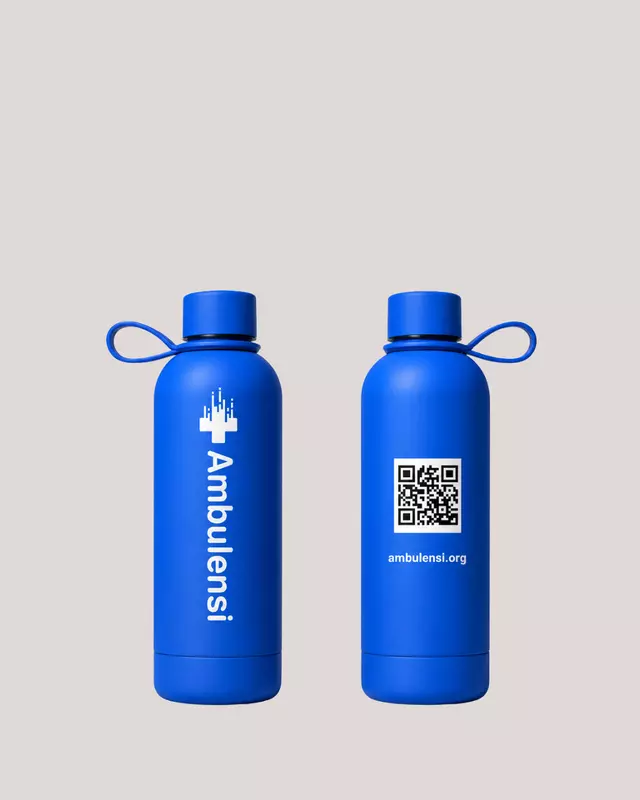
A reusable flask for keeping drinks close at hand during work, training and travel.
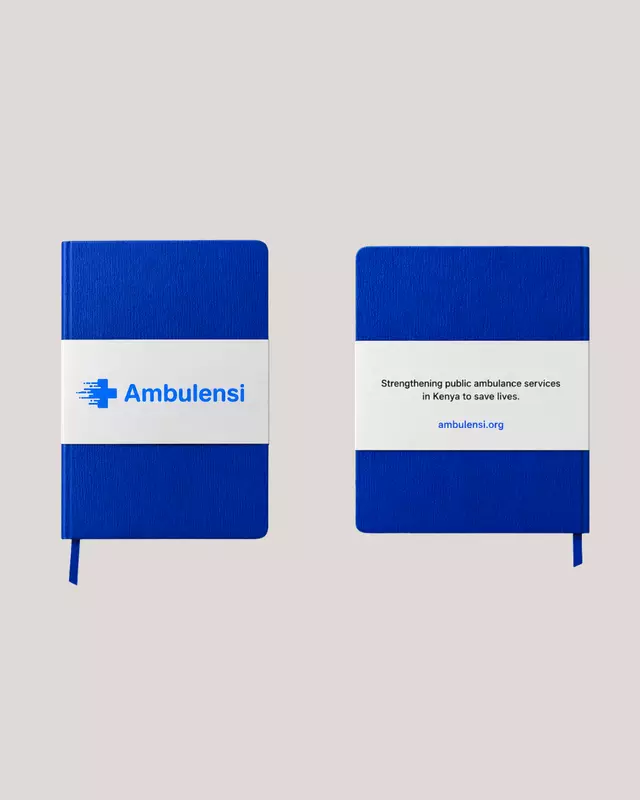
A practical notebook for recording ideas, notes and daily tasks.
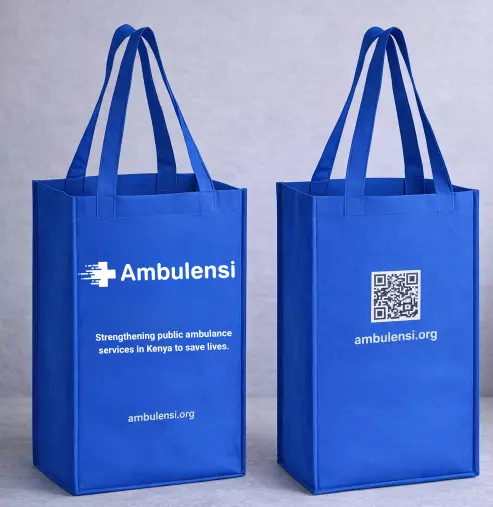
A practical bag for packing and carrying your purchases.

A T-shirt for everyday wear, training sessions and events.

A practical mouse pad for everyday computer use at work or at home.
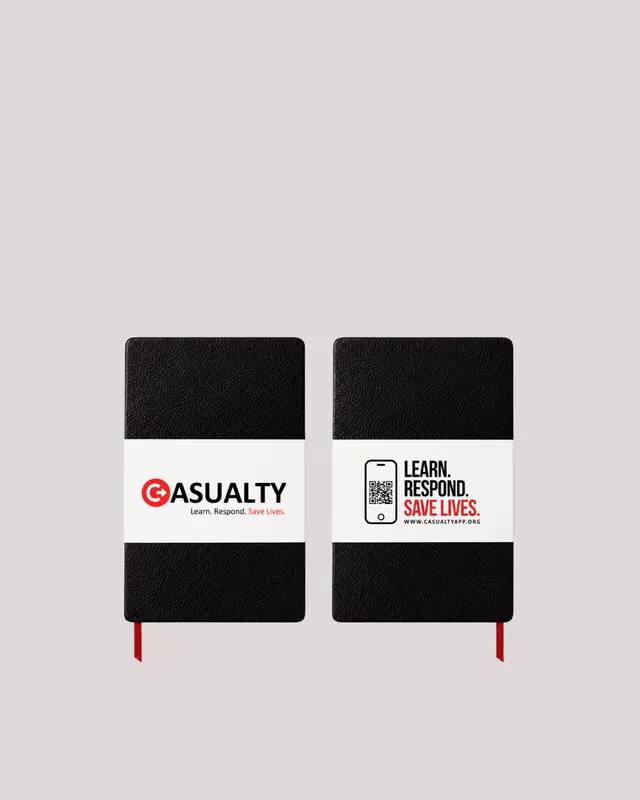
A practical notebook for recording ideas, notes and daily tasks.

- Support clinical decisions with guidance informed by medical evidence.
- Conserve resources by standardising care and resource use.
- Reduce confusion and errors through clear, consistent care pathways.
- Strengthen teamwork by providing a shared approach across healthcare teams.
- Support learning by giving trainees a structured approach to emergency care.

A sweatshirt for everyday wear, whether at work, attending training or taking time off.

A T-shirt for everyday wear, training and events.
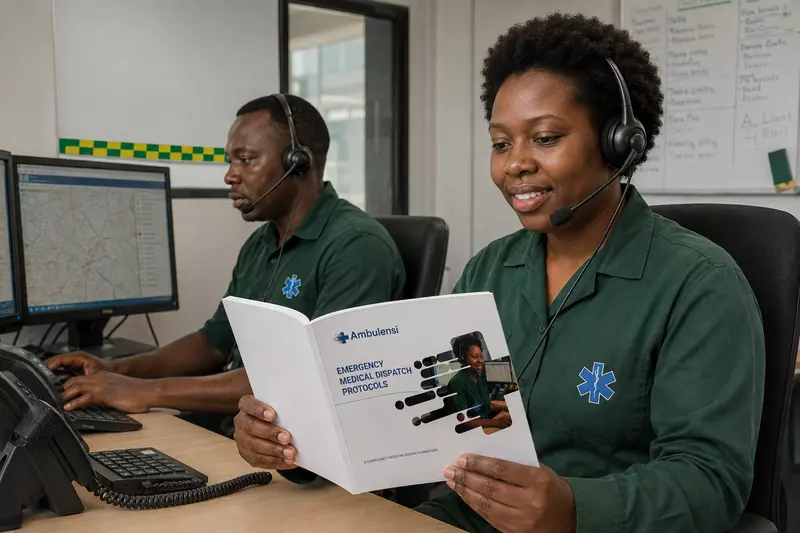
A practical reference for emergency call-takers and dispatchers, with structured guidance to assess emergency calls, prioritise incidents and coordinate ambulance responses.
Why use these protocols?
Guide call assessment by helping call-takers gather essential information.
Support prioritisation by providing a structured approach to identifying the urgency of each incident.
Coordinate ambulance responses through clear communication between dispatchers and response teams.
Promote consistency by providing a shared approach to handling emergency calls.
Support training by giving dispatch teams a practical reference for learning and daily use.
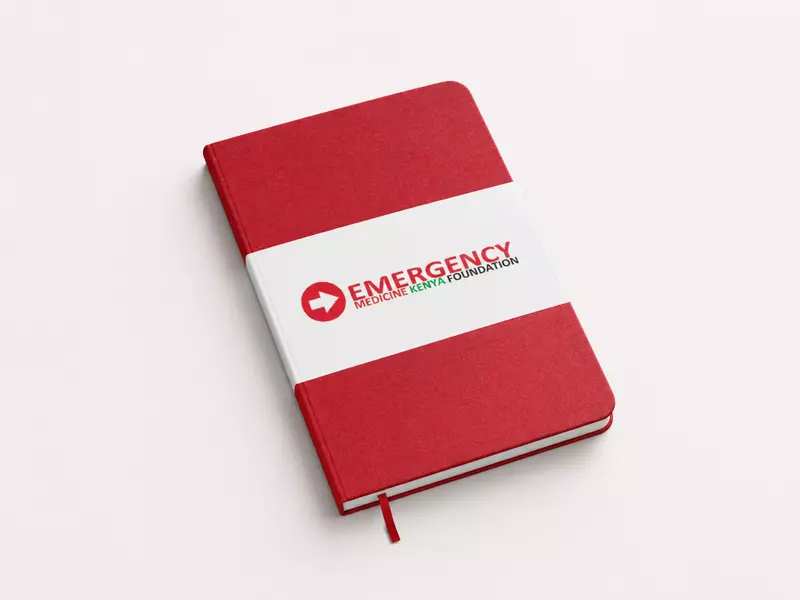
A practical notebook for recording ideas, notes and daily tasks.

A hoodie for an extra layer during early mornings, cool evenings and everyday activities.

A hoodie for an extra layer during early mornings, cool evenings and everyday activities.
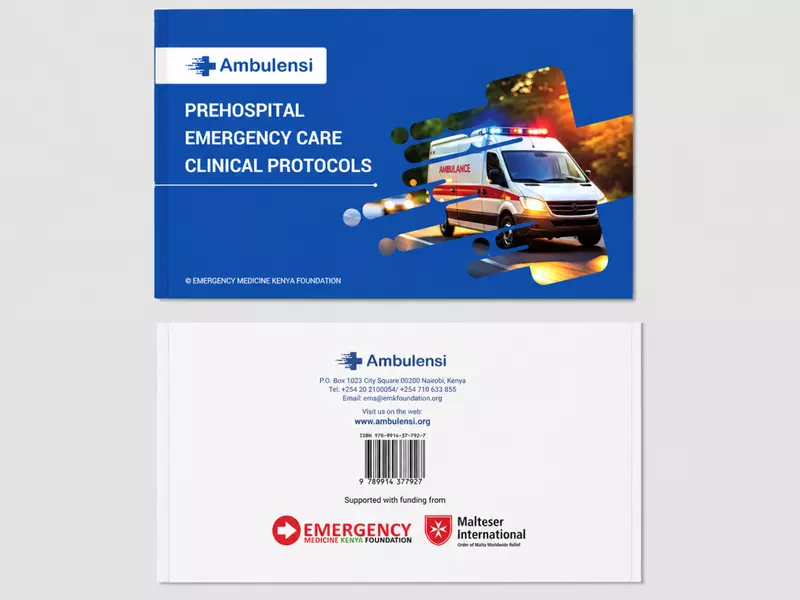
A practical reference for healthcare professionals providing emergency care before patients reach hospital, with structured guidance to support patient assessment, treatment and safe transfer.
Why use these protocols?
Guide patient assessment through a structured approach to identifying emergency care needs.
Support clinical decisions during treatment and transport.
Promote consistent care by providing clear guidance for prehospital teams.
Strengthen teamwork through a shared approach to patient management.
Support training by providing a practical reference for learning and daily use.
*Your privacy is our utmost priority. Your email is secure with us.